Research Area
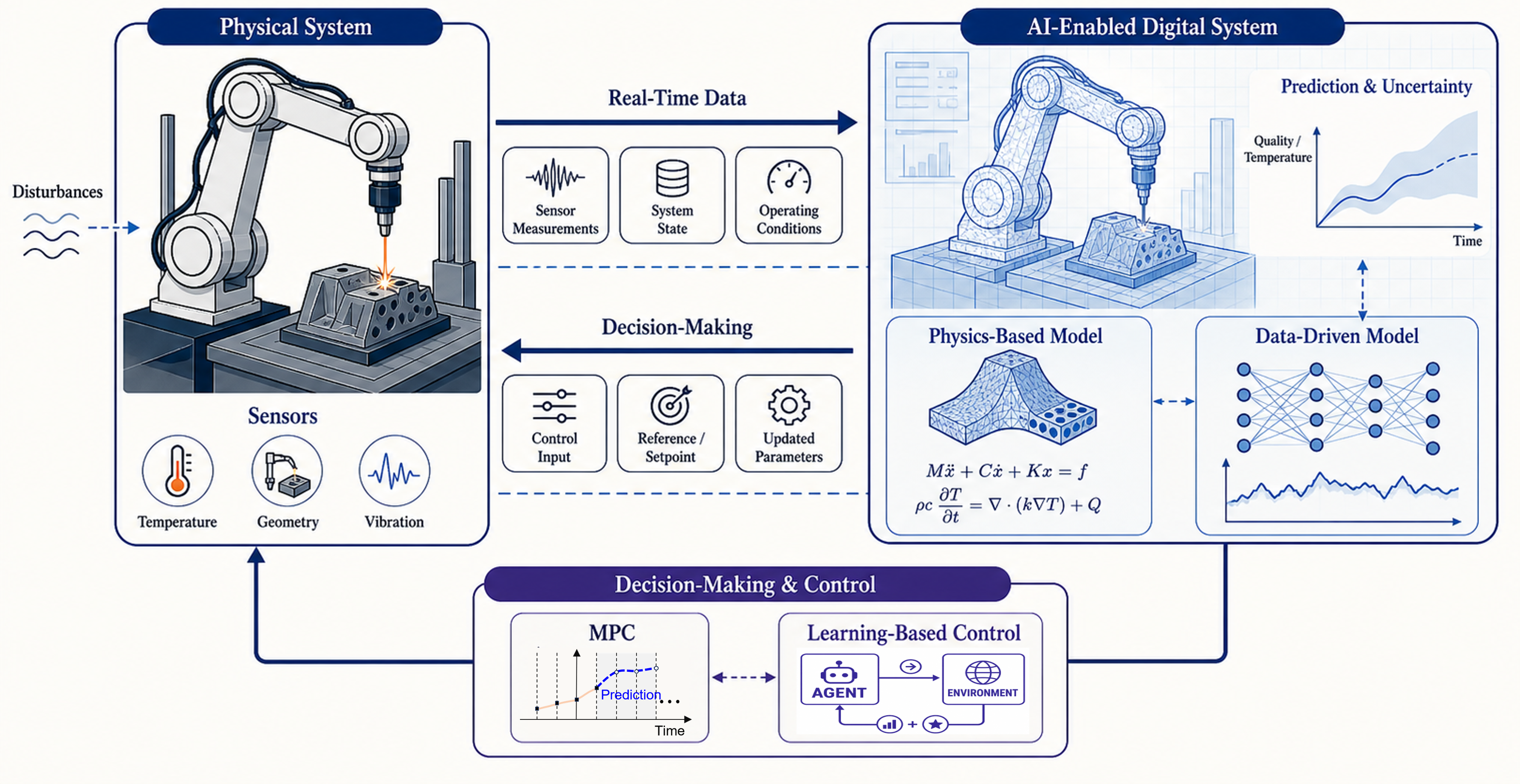
We develop digital twin frameworks that fuse physics-based models with machine learning to enable real-time monitoring, control, and uncertainty-aware decision-making throughout a system's lifecycle.
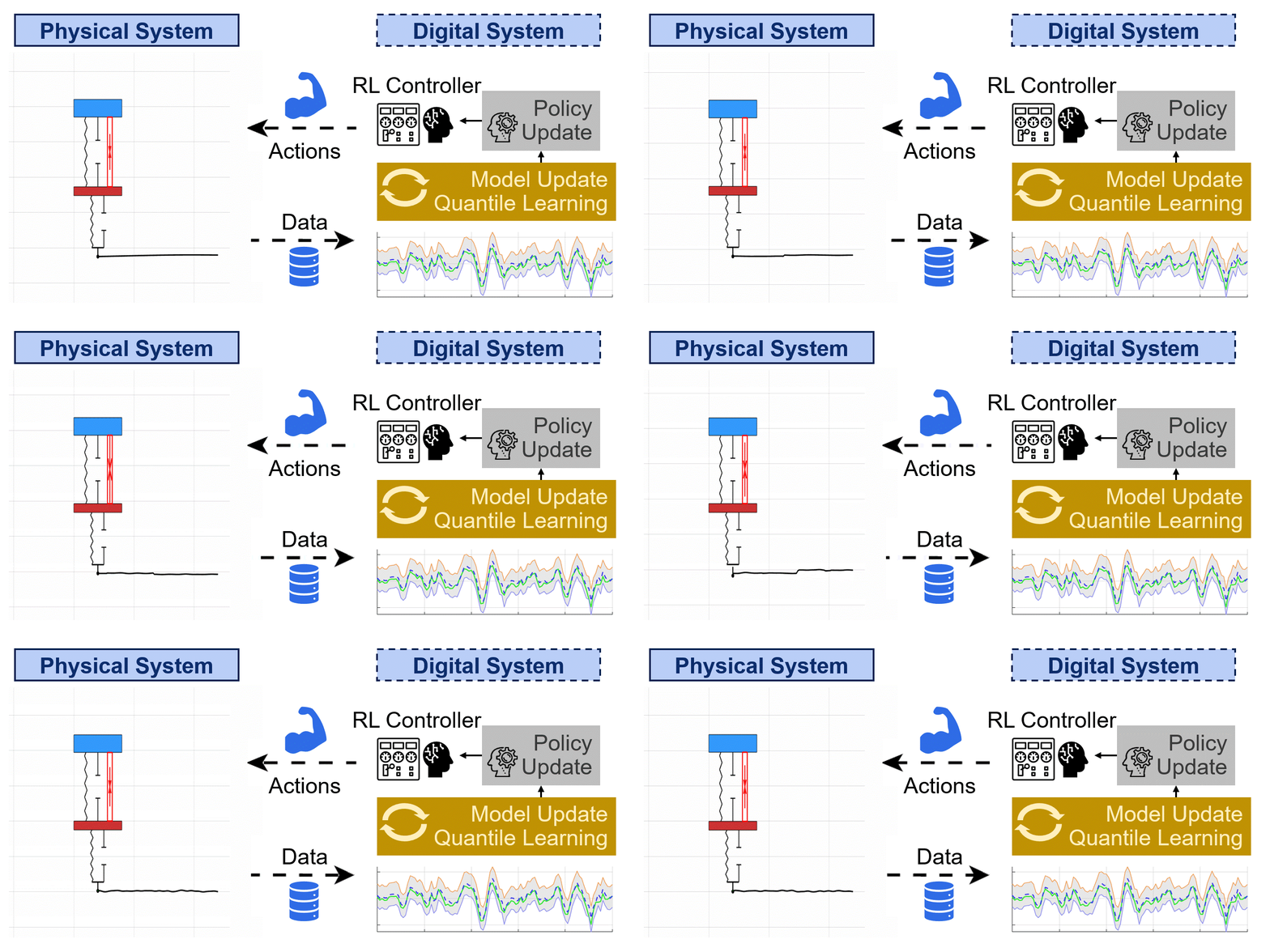
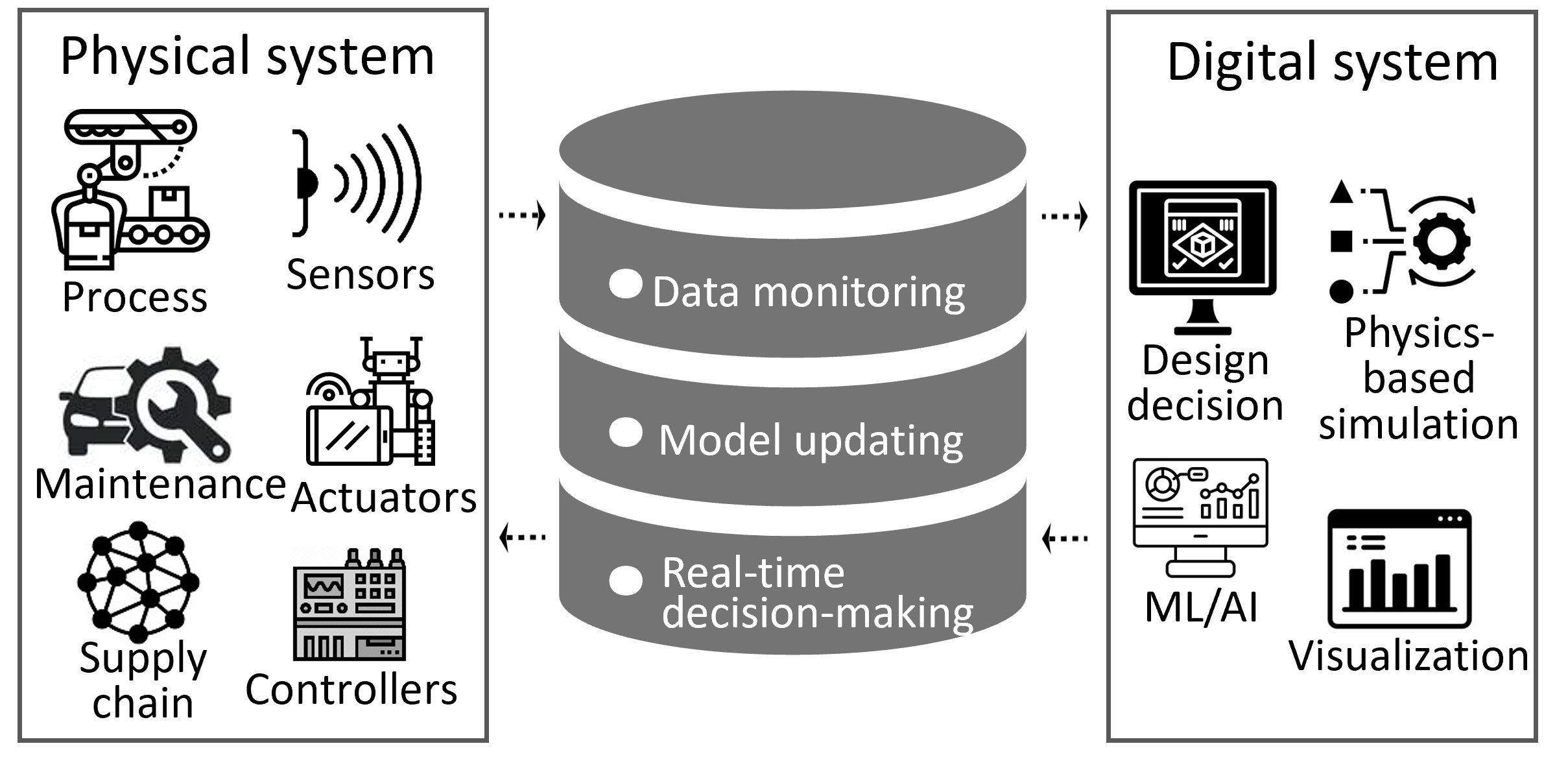
Digital twins — virtual replicas of physical systems that continuously synchronize with real-world counterparts through sensor data — represent a transformative paradigm in engineering. Our research advances this paradigm by embedding AI and machine learning directly into the digital twin framework, enabling autonomous, real-time decision-making under uncertainty.
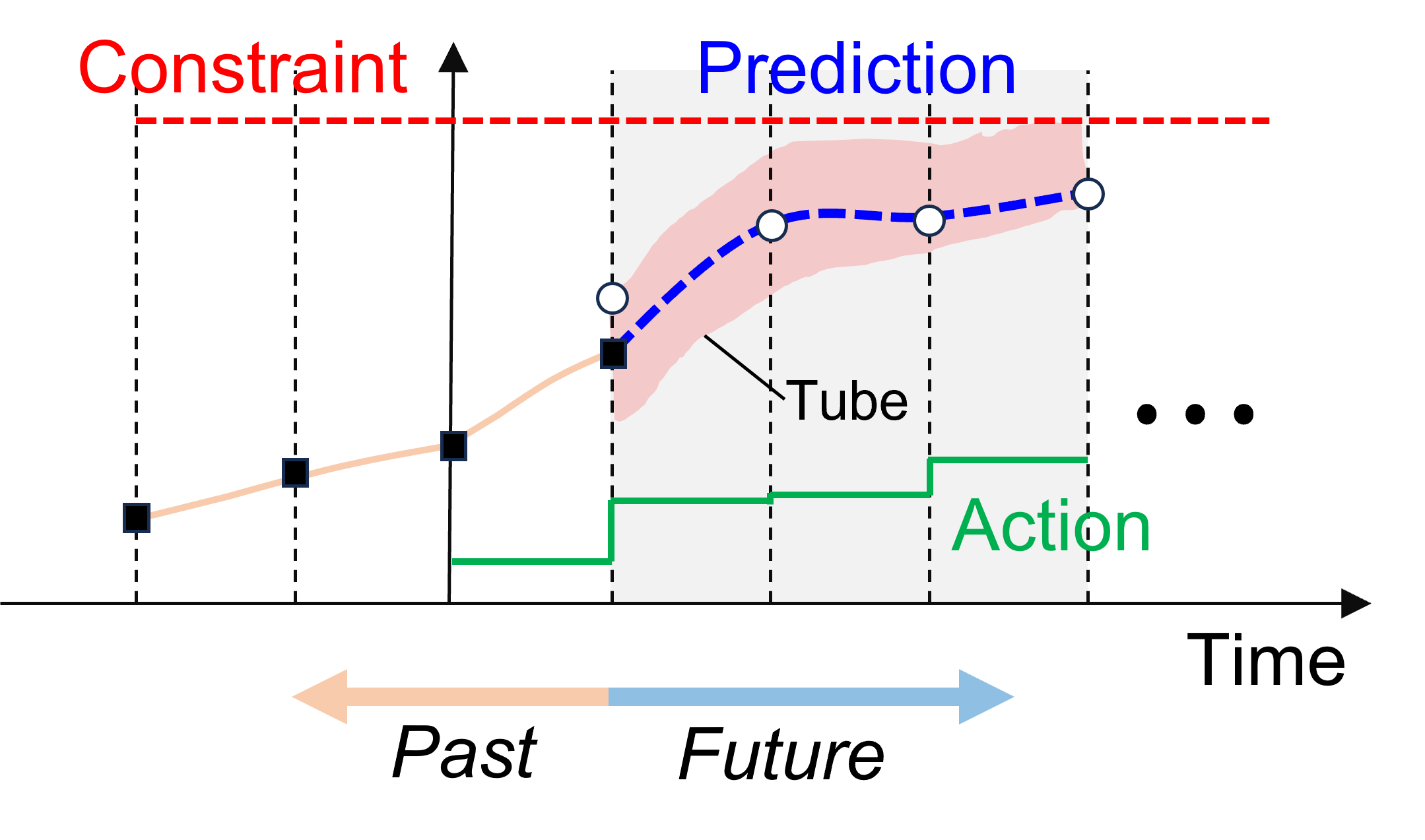
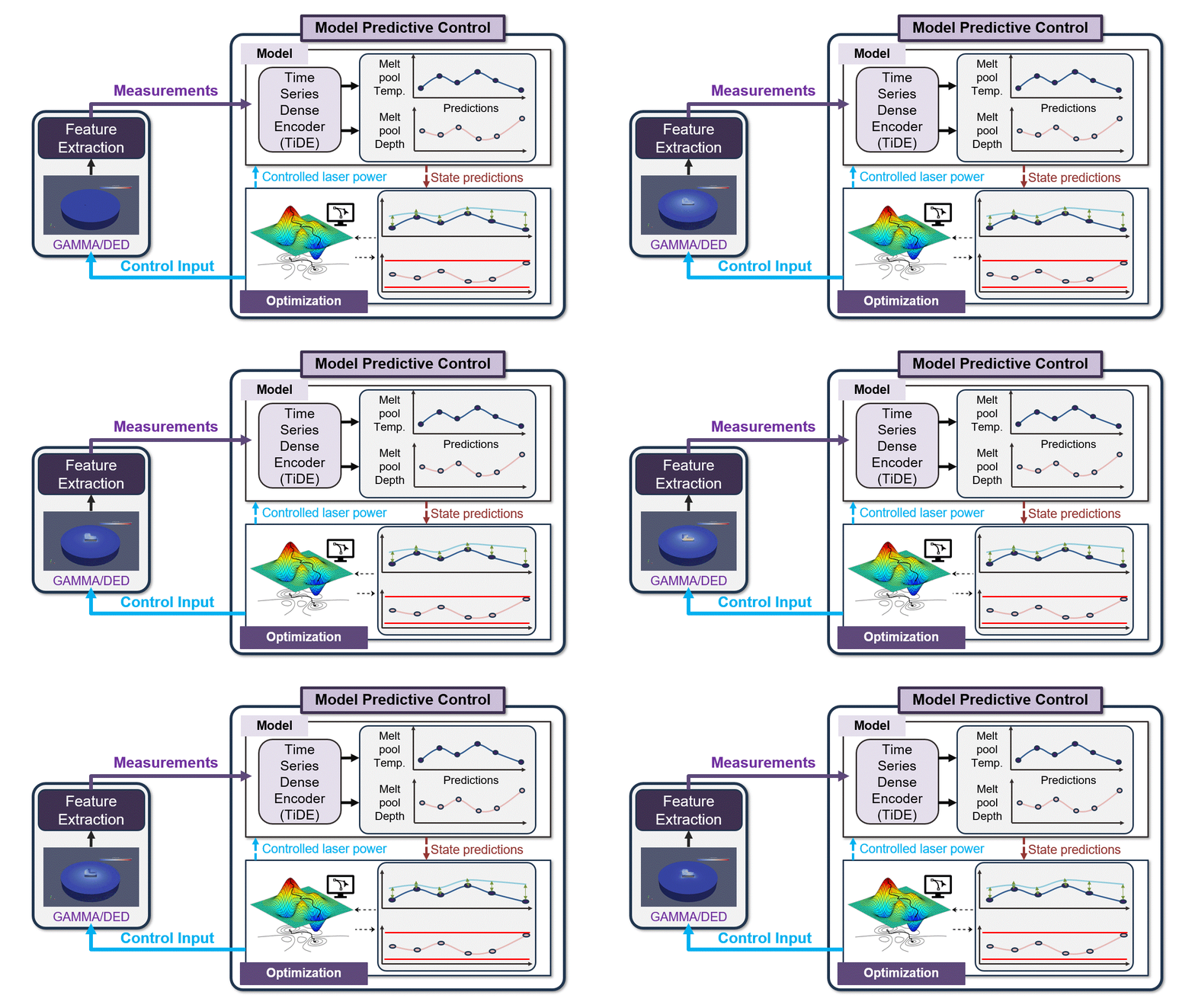
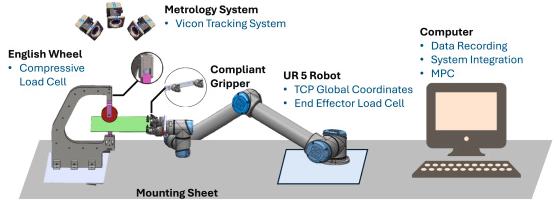
We address three core challenges: (1) building computationally efficient surrogate models that operate at control-loop speeds; (2) quantifying and propagating uncertainty through model predictions; and (3) closing the loop between prediction and action through advanced control strategies such as Model Predictive Control (MPC) and Reinforcement Learning (RL).
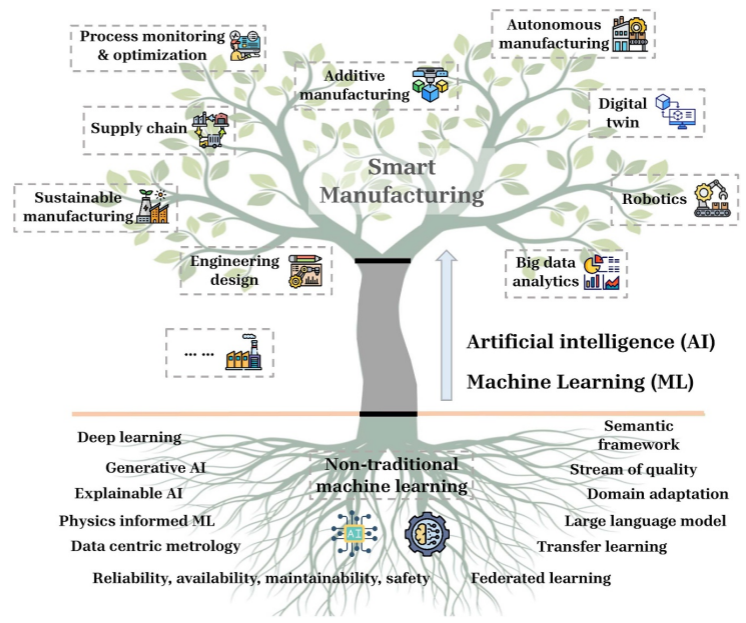
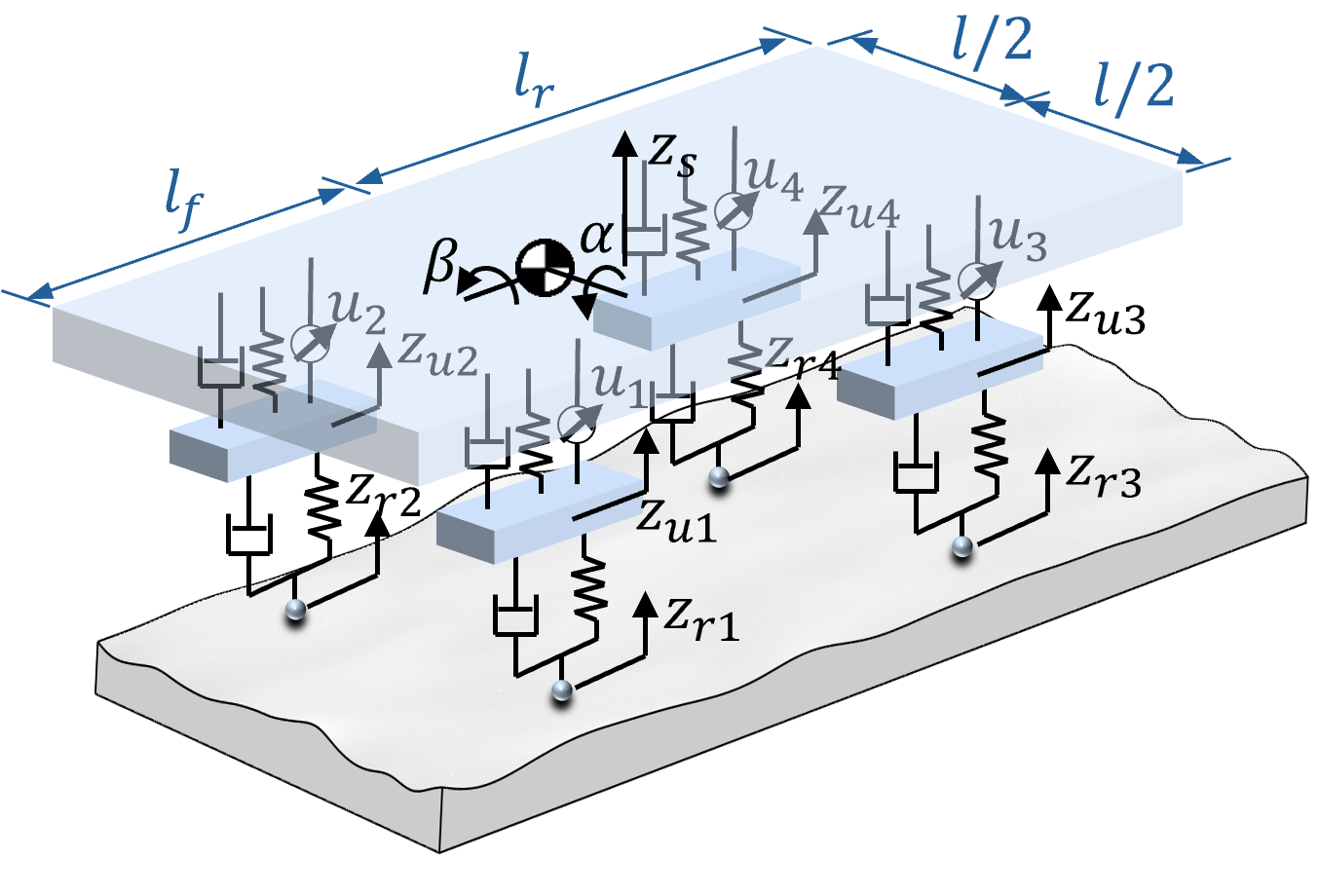
Application domains include additive manufacturing, full-vehicle active suspension systems, and broader autonomous engineering systems where real-time adaptation and lifecycle management are critical.
We develop time-series deep neural networks and neural operators that learn from high-fidelity simulations and sensor data to emulate complex system dynamics at real-time speeds.
We quantify model uncertainty using Bayesian inference and deep quantile learning, then propagate it into robust control policies (e.g., Tube-MPC) that maintain constraint satisfaction under noise and model error.
We design digital twin architectures that support iterative learning and re-optimization across system generations, enabling systems that improve continuously over their operational lifetime.
Selected work
Journal of Mechanical Design · February 2026
Journal of Manufacturing Systems · August 2026
Engineering Optimization · January 2025
In Roadmap on AI and ML for Smart Manufacturing, ed. Jay Lee (Machine Learning: Engineering) · March 2026
Journal of Manufacturing Systems · June 2026