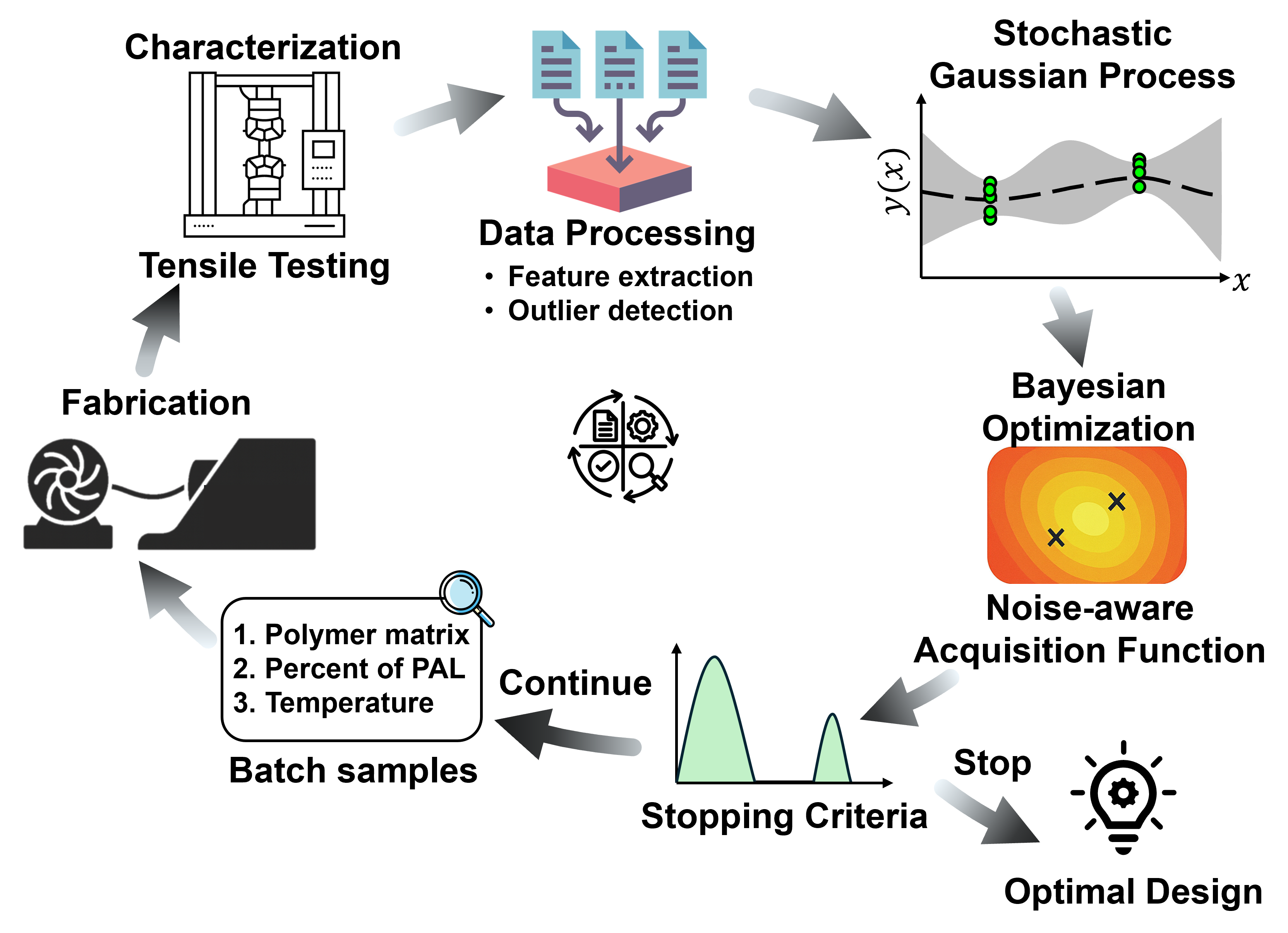
Adaptive Uncertainty Aware Material-Process Co-Design for Sustainable In-Space Manufacturing of Recycled Composites
(†Indicates Equal Contribution)ASME IDETC-CIE Conference · Houston, Texas · August 2026 (accepted)
Research Area
We develop active learning and advanced optimization methods that scale to system-level digital twins with inherent noise for data-efficient and interpretable decision-making across large-scale engineering systems.
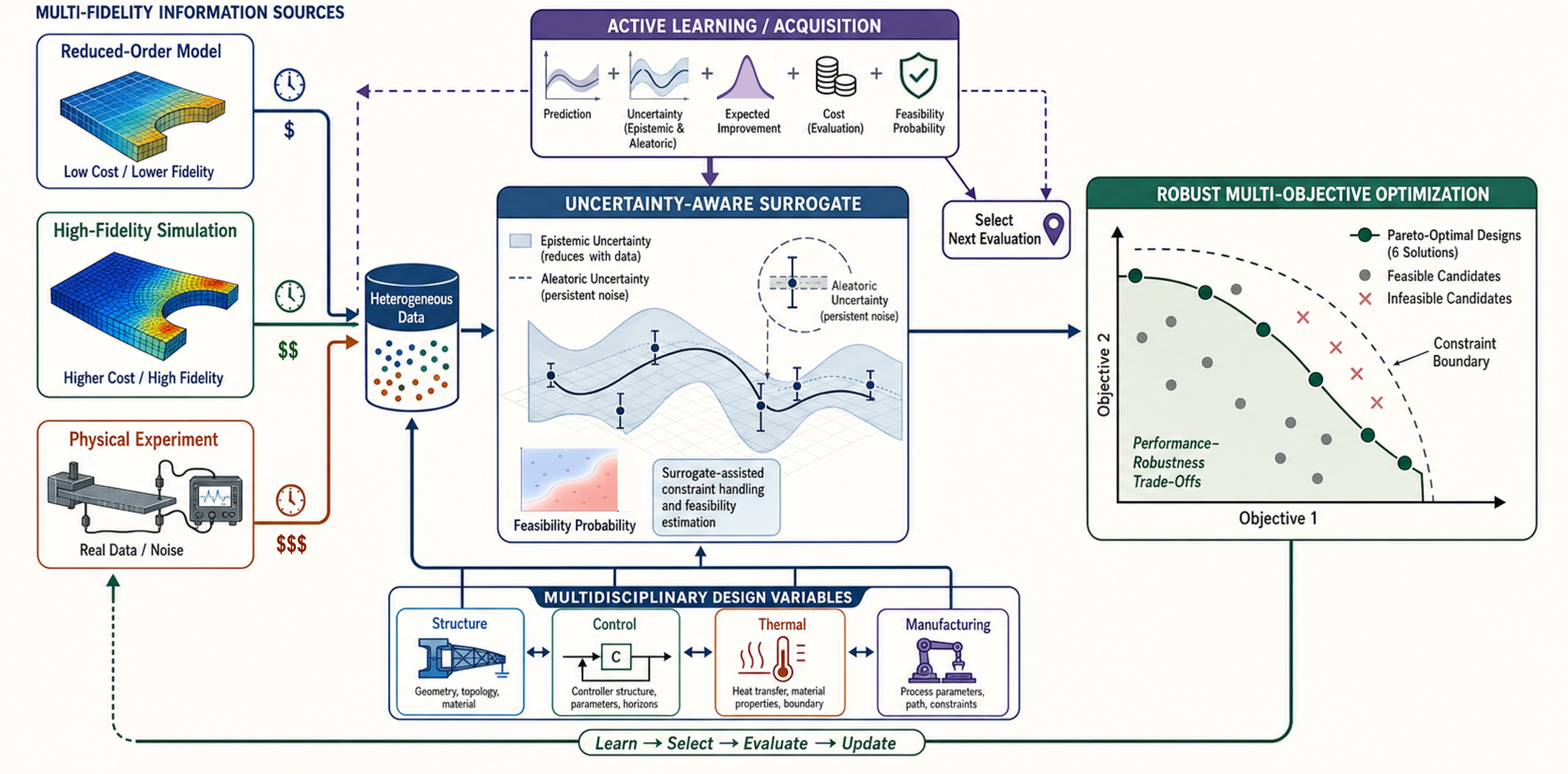
Optimizing real engineering systems requires integrating knowledge from multiple sources — reduced-order models, high-fidelity simulations, and physical experiments — each carrying its own form of uncertainty. Aleatoric uncertainty (inherent noise in measurements and processes) and epistemic uncertainty (limited data and model approximations) both shape what solutions are feasible and how reliable they are in practice.
Our research develops optimization frameworks that embrace this heterogeneity: combining data from models and experiments of varying cost and fidelity, explicitly accounting for noise and uncertainty in constraints and objectives, and scaling to problems that span multiple engineering disciplines. The goal is to find designs that perform well not just in simulation, but robustly in the real world.
These methods form the optimization backbone of the broader DISO Lab research portfolio, supporting digital twin-enabled co-design, real-time decision-making, and lifecycle optimization of autonomous engineering systems.
We use uncertainty-aware machine learning models and acquisition functions to efficiently navigate high-dimensional design spaces under aleatoric uncertainty (inherent measurement and process noise), finding robust optimal solutions with far fewer evaluations than classical methods.
We develop parametric multi-objective optimization methods that map design parameters to entire Pareto fronts, enabling engineers to understand performance tradeoffs. We additionally design surrogate-assisted constraint-handling techniques that predict feasibility probability, ensuring constraint satisfaction even when evaluations are noisy or expensive.
We formulate and solve optimization problems that span more than one engineering domain simultaneously — such as structural, control, thermal, and manufacturing disciplines — enabling holistic system designs that no single-discipline approach can achieve.
We develop active learning strategies that intelligently combine reduced-order models, high-fidelity simulations, and physical experiments — each at a different cost and accuracy — to allocate computational and experimental budgets where they yield the greatest improvement in the surrogate model and optimization outcome.
Selected work
ASME IDETC-CIE Conference · Houston, Texas · August 2026 (accepted)
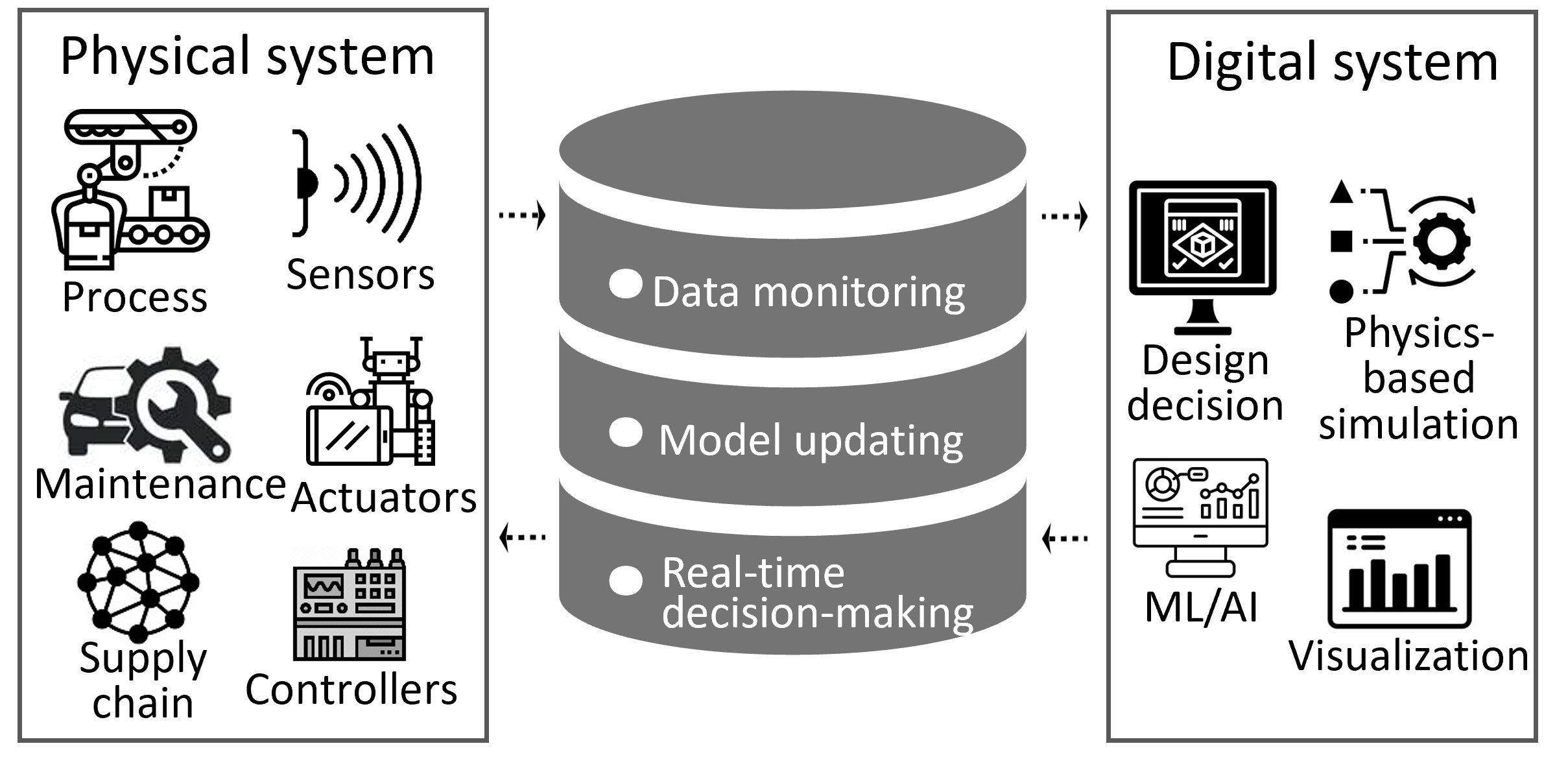
Engineering Optimization · January 2025
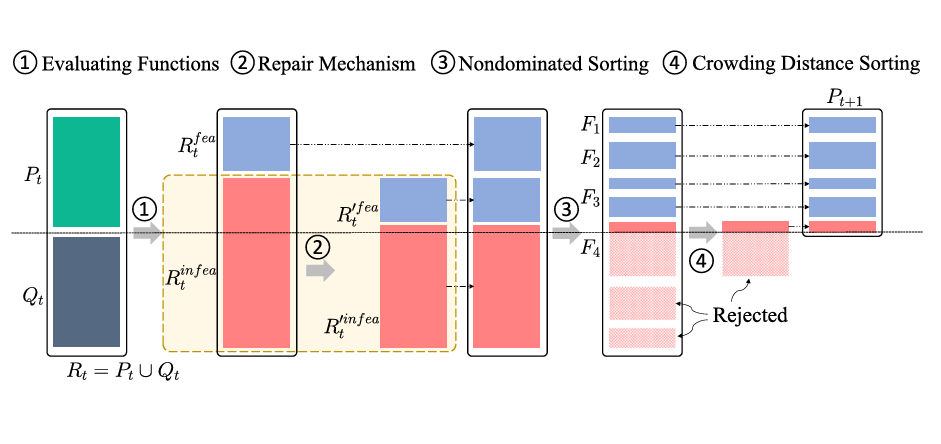
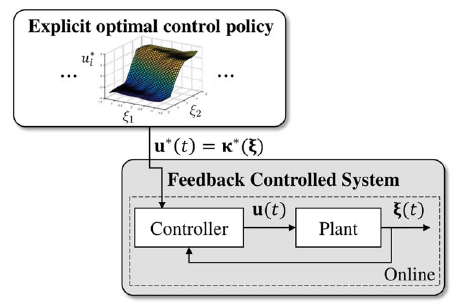
Journal of Mechanical Design · December 2022
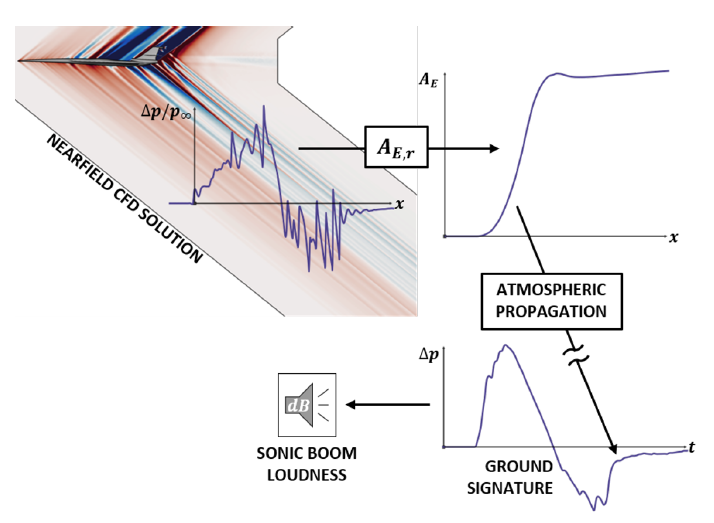
AIAA Scitech 2022 Forum · January 2022